Table Of Content
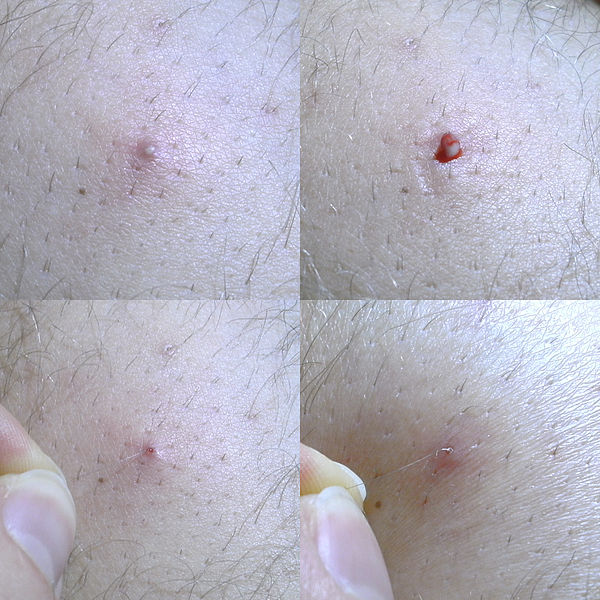
Ingrown hairs can occur anywhere on the body where you grow hair, and at any time. They’re most common in areas where you shave or wax your hair. As hairs grow back after shaving and waxing, they can curl and grow sideways, directing the tip of the hair back into the skin where it becomes embedded. It often appears on the face and neck, but can also occur in the pubic area, particularly if the area is waxed or shaved. Treatment includes antibiotics and plucking of infected hair follicles.
How to identify infected ingrown hair
Keeping the pubic area clean and dry is essential for preventing ingrown hairs. This means showering regularly and thoroughly drying the area afterwards. Avoid using harsh soaps or scrubbing too hard, as this can irritate the skin and lead to ingrown hairs. If you’re a man and you’ve ever experienced an ingrown hair on your penile shaft, you know just how uncomfortable and painful it can be.
Laser hair removal
For example, some people may find better results with a disposable razor, while others prefer electric versions. It is important to experiment with different kinds of razors to find out which one suits each person. Scrotal calcinosis is a harmless condition where one or more calcified nodules develop on the scrotum.
Ingrown Hair Treatment
If you continue having infected ingrown hairs in the same area, such as your face, you might consider other methods of hair removal, such as laser treatment. Seeking professional medical advice is essential for determining the appropriate antiviral treatment and ensuring the management of genital herpes. A healthcare provider can guide individuals on the correct use of these medications and offer advice on managing herpes effectively. In the case of genital herpes, the accompanying symptoms can be more varied and pronounced.
When should I see my healthcare provider?
Improper hygiene practices can also increase the risk of developing ingrown hair on the penile shaft. This can include not washing the genital area properly or frequently enough, or using harsh soaps or cleansers that can irritate the skin. However, if the lump is painful, people should speak with a healthcare professional, as this may indicate an infection. If an ingrown hair becomes infected, you may notice the bumps getting bigger and more painful. An ingrown hair looks like a raised, discolored spot on your skin.
Severe infections can lead to the formation of painful and large genital boils or swollen lymph nodes. Severe infections can also cause the pubic and groin area to develop dark or raised scars. The reason people are more likely to get painful ingrown hairs in their pubic area is because the hairs in this area are usually coarser than on the rest of the body. When coarser-textured hairs begin to grown and push themselves out, they often curls back into the skin and become trapped, leading to an ingrown.
Herpes
You may be able to see the small, dark, ingrown hairs at the center of the bumps. Ingrown hairs are most common in areas where you shave or wax your hair, but they can occur anywhere hair grows. This includes the pubic area, base of the penis, or shaft of the penis. For a severe infection, they can prescribe medication to treat it and coax the hair out.

To prevent ingrown hairs, individuals can adopt proper shaving techniques. This includes using a sharp, clean razor, shaving in the direction of hair growth, and avoiding shaving too closely to the skin. Exfoliating the skin before shaving can help prevent hair from becoming trapped beneath the surface [10]. Additionally, keeping the skin well-moisturized can reduce the likelihood of ingrown hairs. One of the most common causes of ingrown hairs on the penile shaft is shaving or waxing.
What are ingrown hairs?
Over-the-counter creams or ointments can also be used to soothe the skin. They look like red bumps in the genital or anal region, are filled with fluid, and can be painful. However, there are key differences between the two conditions. For example, ingrown hair cysts often appear singularly, whereas herpes blisters grow in clusters.
Apply the paste to your penis, and then rinse off a few minutes. Penile itching, whether caused by a sexually transmitted disease or not, can be so severe that it disrupts your day. Read on to learn about possible causes of penile itching, as well as tips for relief.
STI: 12 sexually transmitted infection symptoms - Women's Health
STI: 12 sexually transmitted infection symptoms.
Posted: Wed, 09 Dec 2020 08:00:00 GMT [source]
An ingrown hair cyst may go away on its own or with home treatment. However, in some cases, a cyst may not respond to home treatment or become infected. If this happens, people should speak with a healthcare professional. An ingrown hair occurs when the hair grows downward instead of upward and becomes trapped under the skin. Treatment options for these cysts include home remedies and medical treatment. If the ingrown hair becomes infected, the bumps may continue to grow and fill with more pus.
Remember that prevention is crucial in avoiding ingrown hairs on the penis. Ingrown hairs can be a common and uncomfortable issue for many people, and they can appear anywhere hair grows, including the penis shaft. In this article, we will explore the causes of ingrown hair on the penis, effective methods for removing them, and essential tips for prevention and care. An ingrown hair is a common cause of red, tender bumps in your genital area.
Health and Hygiene of the Penis: A Visitor's Guide - Giddy
Health and Hygiene of the Penis: A Visitor's Guide.
Posted: Fri, 04 Jun 2021 04:20:52 GMT [source]
Preventing the spread or outbreak of herpes is a daily and personal health responsibility. Although some symptoms of genital herpes and ingrown hairs are similar, the cause of each condition is different. The ingrown hair issue is most common among men with curly hair or black men in Africa.
These include an ingrown hair, blocked oil glands, and cysts. Often, ingrown hairs go away by themselves, or people can treat them at home. If there is no infection present, and the skin has simply trapped the ingrown hair, a person can use a gentle exfoliating scrub to release the hair. Genital herpes is a common sexually transmitted infection that may be due to the herpes simplex virus type 1 or type 2. Genital herpes is a common sexually transmitted infection that may result from the herpes simplex virus type 1 or type 2.


No comments:
Post a Comment